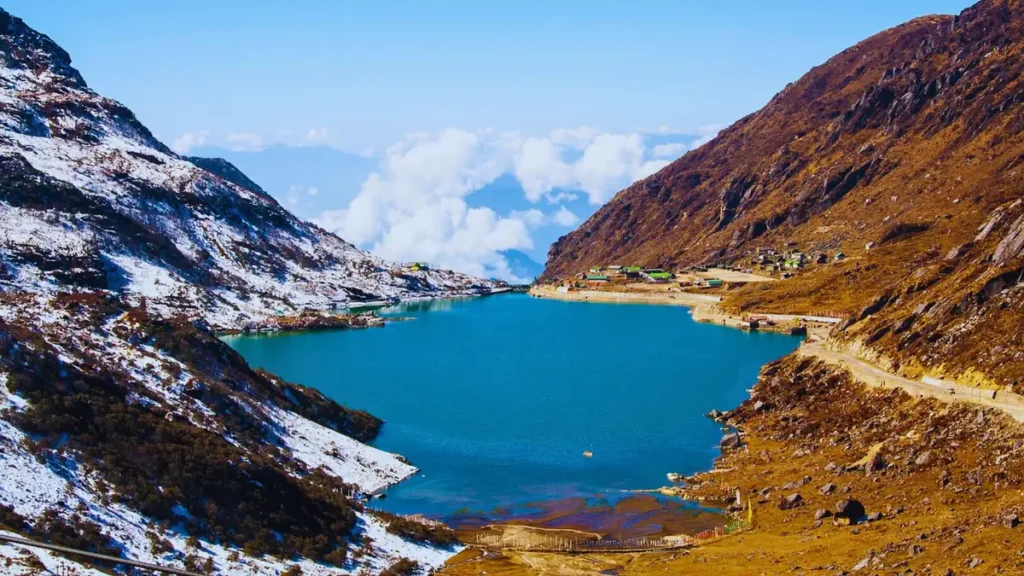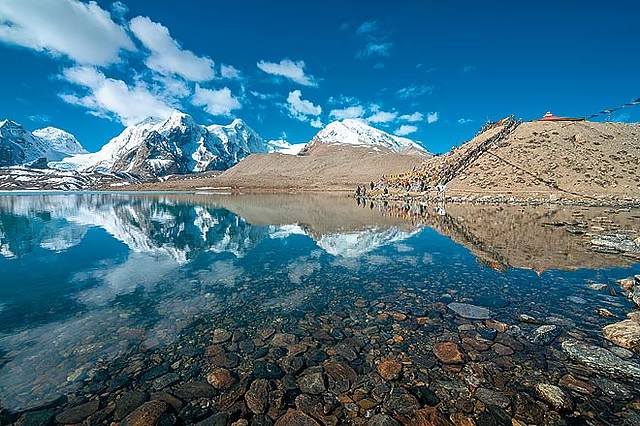
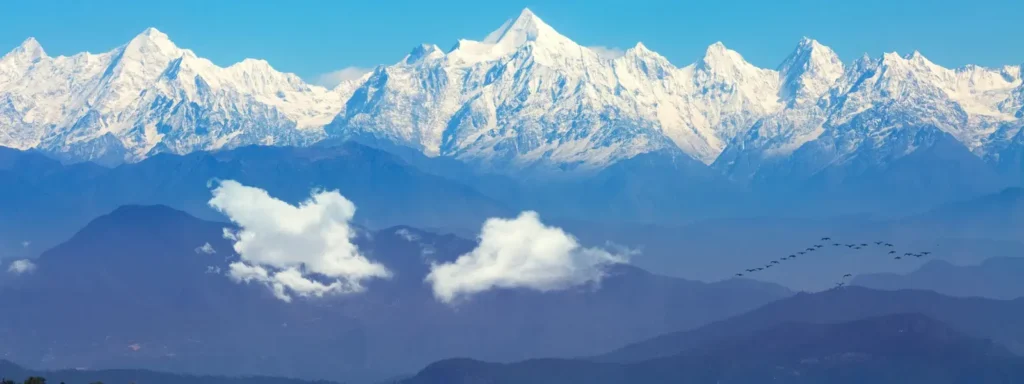
West Sikkim, often referred to as the historical soul of the state, is a region where the grandeur of the Himalayas meets the origins of the Sikkimese monarchy. It is one of the most scenic and culturally rich regions of the Himalayan state of Sikkim in northeastern India. Known for its breathtaking views of Kanchenjunga, ancient monasteries, sacred lakes, and pristine forests, the district offers a perfect blend of natural beauty, history, spirituality, and adventure. Compared to other parts of Sikkim, West Sikkim is quieter and less crowded, making it ideal for travelers seeking peace, culture, and authentic Himalayan experiences.
1. Overview of West Sikkim
West Sikkim is one of the four major parts of Sikkim, with its administrative headquarters at Gyalshing (also known as Geyzing). The region lies along the foothills of the eastern Himalayas and borders Nepal and the Indian state of West Bengal.
The district is characterized by deep valleys, alpine forests, glacial rivers, and panoramic mountain views. Because of its altitude variations—from temperate forests to alpine landscapes—it supports diverse flora and fauna and offers various adventure activities such as trekking, mountaineering, and bird-watching.
West Sikkim is also historically important because it contains some of the earliest capitals and monasteries of the former Kingdom of Sikkim.
2. Historical & Cultural Heartbeat
West Sikkim is the birthplace of the Kingdom of Sikkim. In 1642, the first Chogyal (King), Phuntsog Namgyal, was consecrated at Yuksom by three learned lamas.
- Yuksom: The first capital of Sikkim. You can still see the Norbugang Coronation Throne, a stone structure marking the exact spot where the monarchy began.
- Rabdentse Ruins: After Yuksom, the capital moved here. Today, it is an Archaeological Survey of India (ASI) site near Pelling. Walking through the palace ruins offers a panoramic view of the valley and the Kanchenjunga range.
Buddhism plays a central role in the culture of West Sikkim. Several historic monasteries are located here, including:
- Pemayangtse Monastery – One of the oldest and most premier monasteries in the state, belonging to the Nyingma sect. It houses the Zangdok Palri—a seven-tiered wooden model representing the celestial abode of Guru Rinpoche.
- Dubdi Monastery – Founded in 1701, it is one of the oldest monasteries in Sikkim and belongs to the Nyingma sect of Tibetan Buddhism.
- Rinchenpong Monastery – An 18th-century monastery located above the villages of Rinchenpong and Kaluk.
3. West Sikkim Travel Guide: Major Tourist Destinations
Pelling
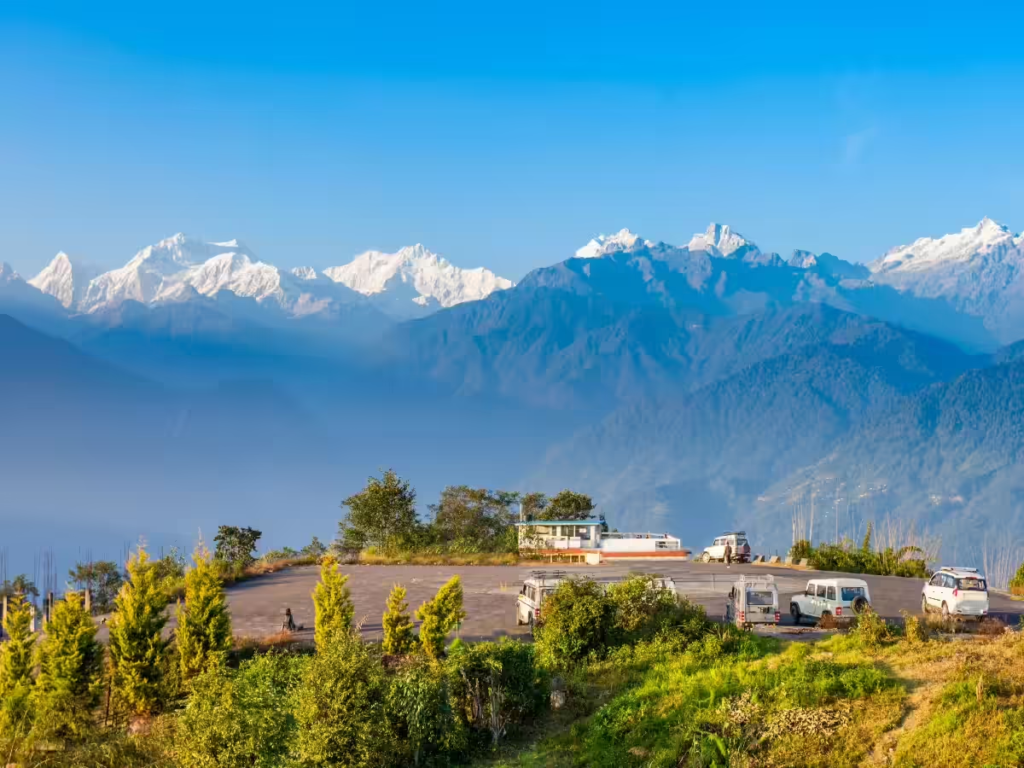
Pelling is the most popular tourist town in West Sikkim. Located at around 7,200 feet above sea level, it offers spectacular views of the Kanchenjunga range.
Top attractions in and around Pelling include:
- Singshore Bridge – One of the highest suspension bridges in Asia, offering dramatic valley views.
- Kanchenjunga Falls – A powerful waterfall cascading down rocky cliffs.
- Rabdentse Ruins – Remains of the old Sikkimese capital.
Yuksom
Yuksom is a historic town and the gateway to the famous Goecha La and Dzongri trekking routes. Surrounded by forests and mountains, it is ideal for trekking and nature walks.
Important sites here include:
- Norbugang Coronation Throne
- Dubdi Monastery
Khecheopalri Lake
Khecheopalri Lake is one of the most sacred lakes in Sikkim and is revered by both Buddhists and Hindus. The lake is believed to fulfill wishes, and local folklore says that birds pick up leaves that fall on the lake so that its surface always remains clean.
The peaceful forest surroundings make it one of the most spiritual and serene places in Sikkim.
Rinchenpong and Kaluk
The twin villages of Rinchenpong and Kaluk are known for spectacular views of the Kanchenjunga range and quiet village life. They are ideal for travelers looking for offbeat destinations and homestay experiences.
Varsey Rhododendron Sanctuary
Varsey Rhododendron Sanctuary is a famous nature reserve located in the Singalila Range. Covering around 104 km², the sanctuary is known for its colorful rhododendron forests that bloom between March and May.
It is a popular destination for trekking, wildlife watching, and nature photography.
4. Natural Beauty and Biodiversity
West Sikkim contains diverse ecological zones ranging from subtropical forests to alpine meadows. Parts of the region fall within the buffer areas of Khangchendzonga National Park, a UNESCO World Heritage Site known for its unique biodiversity.
The area supports rare Himalayan flora and fauna, including rhododendrons, orchids, Himalayan birds, and various high-altitude mammals.
5. Adventure Activities
West Sikkim is a paradise for adventure enthusiasts. Popular activities include:
Trekking
Some famous trekking routes include:
- Dzongri Trek
- Goecha La Trek
- Hilley–Varsey Rhododendron Trek
River Rafting
Rafting opportunities are available on nearby rivers such as the Rangit and Teesta.
Birdwatching
The region’s forests and sanctuaries attract birdwatchers due to the presence of Himalayan bird species.
6. Local Culture and Lifestyle
The culture of West Sikkim is influenced by the Lepcha, Bhutia, and Nepali communities. The lifestyle revolves around agriculture, monastery traditions, and village festivals.
Traditional Sikkimese food includes:
- Momos (dumplings)
- Thukpa (noodle soup)
- Gundruk
- Phagshapa
Festivals such as Losar, Saga Dawa, and Pang Lhabsol are celebrated with colorful rituals and masked dances.
7. Best Time to Visit West Sikkim
The best seasons to visit are:
Spring (March – May)
- Rhododendron blooms
- Pleasant weather
- Ideal for trekking
Autumn (September – November)
- Clear skies
- Best views of Kanchenjunga
Winter can be cold but offers stunning mountain views.
8. How to Reach West Sikkim
By Air
The nearest airport is
Bagdogra Airport in West Bengal.
By Rail
The nearest major railway station is
New Jalpaiguri Railway Station.
By Road
From NJP or Bagdogra, travelers can reach West Sikkim by road via towns such as Jorethang and Legship.
9. Why Visit West Sikkim
West Sikkim stands out for its perfect combination of history, spirituality, adventure, and natural beauty. From sacred lakes and centuries-old monasteries to thrilling treks and panoramic mountain views, the region offers one of the most authentic Himalayan travel experiences in India.
Whether you are a nature lover, trekker, photographer, or cultural traveler, West Sikkim promises a peaceful escape into the heart of the Himalayas.