Nestled in the eastern Himalayas, Sikkim’s climate is as diverse as its landscapes—ranging from warm subtropical valleys to freezing alpine zones near the Tibetan plateau. Thanks to dramatic altitude variations, the weather can change quickly, making it important for travellers to understand Sikkim’s seasonal patterns before planning a trip. In Sikkim, the climate is less of a single “mood” and more of a conversation between the subtropical south and the tundra-like north.
This guide breaks down Sikkim’s climate month-wise and season-wise, helping you choose the best time to visit based on sightseeing, trekking, snow experiences, or cultural travel. Whether you’re looking for blooming rhododendrons or a frozen Himalayan wonderland, here is your essential guide to the climate of Sikkim.
Overview of Sikkim’s Climate
Sikkim experiences a mountain climate heavily influenced by altitude and the southwest monsoon.
- Lower elevations (Gangtok, Namchi, Ravangla): Mild summers, cool winters
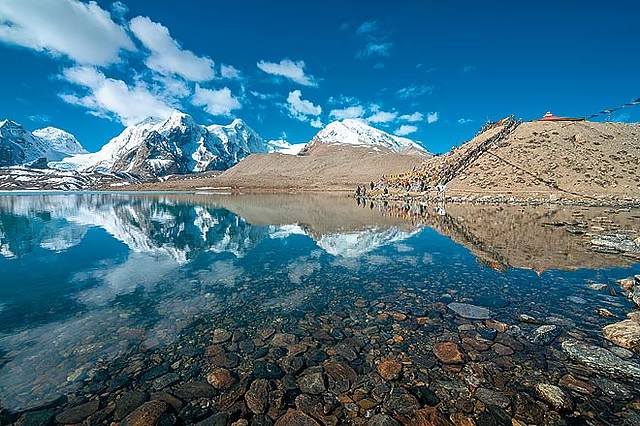
- Higher regions (Lachung, Lachen, Gurudongmar Lake): Cold to freezing conditions most of the year
- Annual rainfall: High, especially during monsoon months
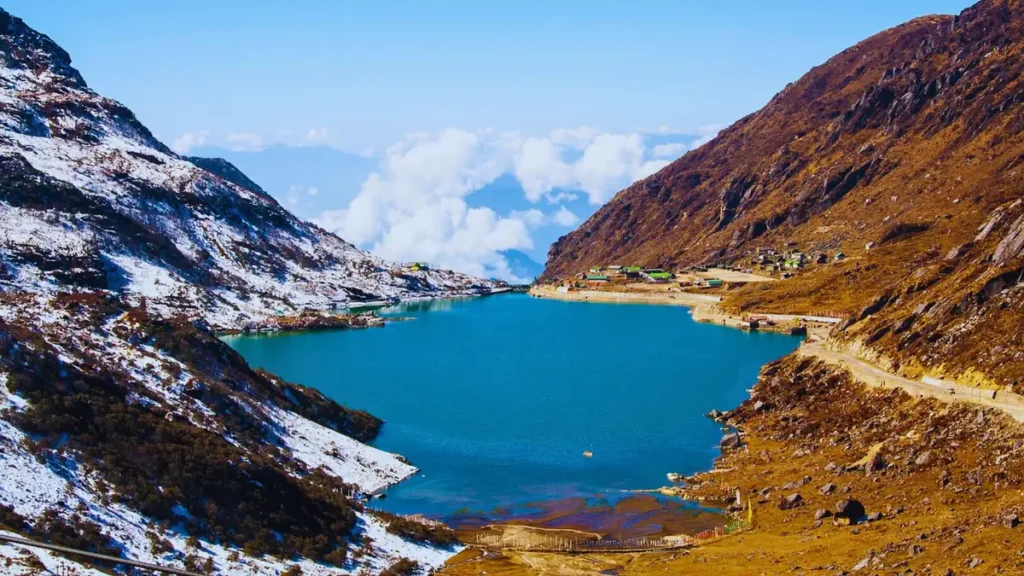
- Snowfall: Common in North Sikkim during winter
Seasons in Sikkim
🌸 Spring (March to May)
Temperature: 10°C – 25°C
Weather: Pleasant, clear skies, blooming flowers
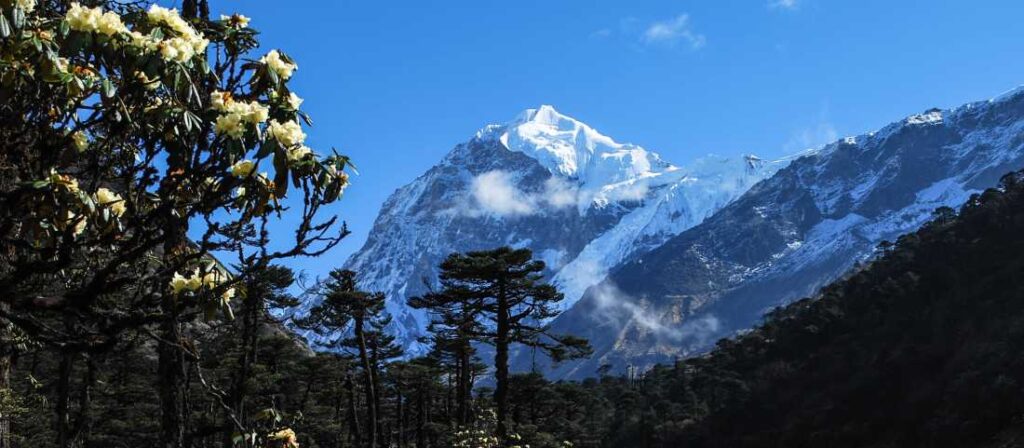
Spring is one of the best times to visit Sikkim. Rhododendrons and orchids bloom across the hills, making this season ideal for nature lovers and photographers.
Why visit in spring?
- Excellent weather for sightseeing
- Great for trekking and outdoor activities
- Clear views of Kanchenjunga
☀️ Summer (June to August)
Temperature: 15°C – 28°C
Weather: Warm with heavy rainfall
Summer coincides with the monsoon season. While the landscape turns lush green, frequent rain can cause landslides and travel disruptions, especially in remote areas.
Good to know:
- Not ideal for long road trips
- Fewer tourists and lower hotel rates
- Best avoided for North Sikkim travel
🍁 Autumn (September to November)
Temperature: 10°C – 22°C
Weather: Cool, dry, crystal-clear views
Autumn is widely considered the best season to visit Sikkim. Post-monsoon freshness, minimal rainfall, and breathtaking mountain views make it a favourite among travellers.
Perfect for:
- Mountain views and photography
- Festivals like Dashain and Tihar
- Comfortable sightseeing
❄️ Winter (December to February)
Temperature: −5°C – 10°C
Weather: Cold, snowfall in higher regions
Winter transforms Sikkim into a snow-covered wonderland, especially in North Sikkim. While roads may close due to snow, the season offers magical views and fewer crowds.
Highlights of winter travel:
- Snowfall in Lachung, Yumthang & Zero Point
- Ideal for snow lovers and photographers
- Cold nights—proper winter gear required
Month-Wise Climate Snapshot
| Month | Weather | Travel Suitability |
|---|---|---|
| Jan–Feb | Cold, snowy (higher areas) | Snow lovers |
| Mar–Apr | Mild, blooming spring | Best overall |
| May | Warm, clear | Peak tourist month |
| Jun–Aug | Rainy, humid | Off-season |
| Sep–Oct | Cool, clear | Best views |
| Nov | Cold evenings | Great for travel |
| Dec | Very cold | Snow tourism |
Best Time to Visit Sikkim
- For sightseeing & photography: March–May, September–November
- For snow experiences: December–February
- For budget travel: Monsoon months (with caution)
Travel Tips Based on Climate
- Carry layered clothing—weather varies with altitude
- Always check road conditions during monsoon & winter
- Pack rain gear if travelling between June and August
- Inner-line permits may be affected by weather in North Sikkim
Final Thoughts
Sikkim’s climate adds to its charm—every season paints the state in a different colour. Whether you’re chasing spring blooms, autumn views, or winter snow, understanding the climate helps you plan a safer, smoother, and more memorable journey.