
Sikkim: A Comprehensive Travel Guide
Sikkim, India’s first 100% organic state, is a land where the air is thinner but the soul feels fuller. Nestled in the lap of the Eastern Himalayas, it offers a dramatic landscape ranging from subtropical greenery to frozen alpine heights.
If you’re planning a trip in 2026, this comprehensive guide covers everything from the bustling streets of Gangtok to the “Valley of Flowers” in the North.
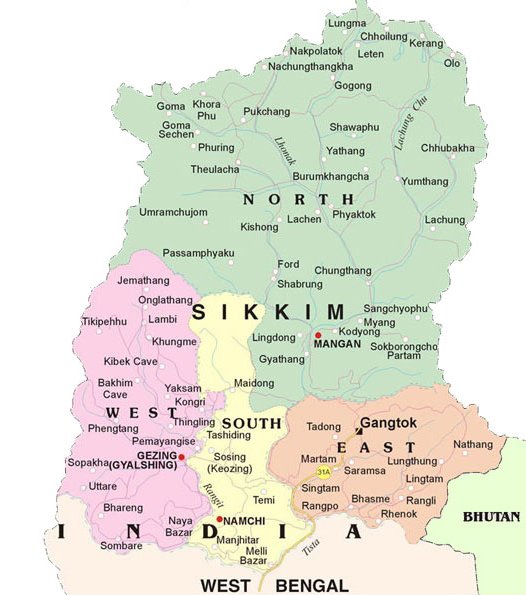
Fast Facts for Your 2026 Trip
- Capital: Gangtok
- Best Time to Visit: March to June (Spring/Summer) and October to mid-December (Autumn/Winter).
- Currency: Indian Rupee (INR).
- Mandatory Update: As of January 2026, physical permits for foreign tourists have been scrapped. All Protected Area Permits (PAP) and Restricted Area Permits (RAP) must now be obtained via the official online permit portal.
1. East Sikkim: The Cultural Hub
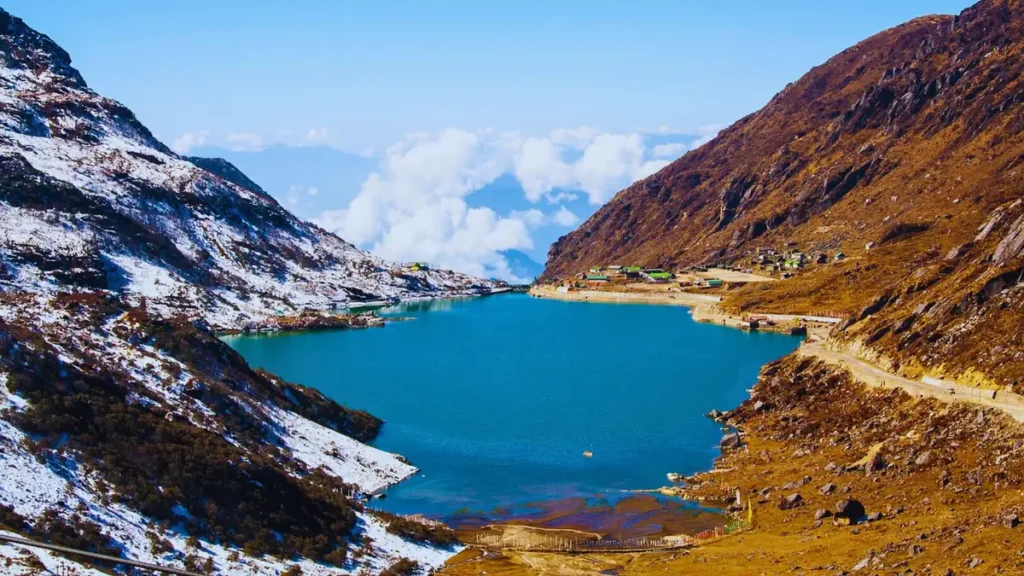
East Sikkim is the cultural and tourist heart of the state, blending Himalayan landscapes, Buddhist monasteries, alpine lakes, and vibrant markets.
East Sikkim is the most accessible region and serves as the gateway to the state.
- Gangtok: The capital city is a blend of modern amenities and traditional charm. Walk down MG Marg, a pedestrian-only zone, or take a cable car ride for a bird’s-eye view of the valley.
- Tsomgo (Changu) Lake: A sacred glacial lake at 12,310 ft. In winter, it is a sheet of ice; in spring, it reflects the turquoise sky.
- Nathula Pass: The historic Indo-China border (open only to Indian nationals).
- Rumtek Monastery: One of the most significant Tibetan Buddhist centers in the world.
2. North Sikkim: The Rugged Frontier
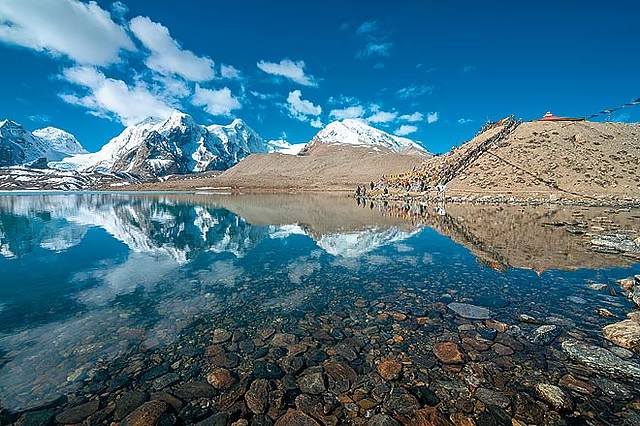
North Sikkim is a realm where the air is thin, the lakes are sacred, and the mountains are legendary. Home to some of the highest altitudes in the Indian Himalayas….
This is where the landscape turns truly epic. It requires more travel time but offers the most rewarding views.
- Lachen & Lachung: Quaint villages that serve as base camps for high-altitude excursions.
- Gurudongmar Lake: One of the highest lakes in the world (17,800 ft). Note: This area has low oxygen levels; travelers with heart or respiratory issues should consult a doctor.
- Yumthang Valley: Known as the “Valley of Flowers,” it erupts in a riot of Rhododendrons during April and May.
- Zero Point: Where the civilian road ends and the snow begins year-round.
3. West Sikkim: History & Peaks
If you want to see Mt. Kanchenjunga (the world’s third-highest peak) up close, West Sikkim is your destination.
- Pelling: Home to the Pelling Skywalk, India’s first glass skywalk, offering a dizzying view of the valley.
- Rabdentse Ruins: The remains of Sikkim’s second capital, offering a walk through history amidst lush greenery.
- Khecheopalri Lake: Often called the “Wishing Lake,” it is sacred to both Buddhists and Hindus.
- Yuksom: The first capital of Sikkim and the starting point for the famous Goecha La Trek.
4. South Sikkim: Spirituality & Serenity
South Sikkim is famous for its massive religious landmarks and tea gardens.
- Namchi: Visit the Siddheshwar Dham (Char Dham), a massive pilgrimage complex with a 108ft statue of Lord Shiva.
- Ravangla: Home to Buddha Park, featuring a towering 130ft golden Buddha statue set against a backdrop of snow-capped peaks.
- Temi Tea Garden: The only tea estate in Sikkim, producing world-class organic tea.
Essential Travel Tips
| Category | Advice |
| Transport | Fly into Pakyong (Sikkim) or Bagdogra (West Bengal). From there, hire a private SUV or take a shared taxi (the lifeline of Sikkim). |
| Food | Don’t leave without trying Thukpa (noodle soup), Phagshapa (pork with radish), and the iconic Sikkimese Momos. |
| Clothing | Layering is key. Even in summer, high-altitude spots like North Sikkim can be freezing. |
| Sustainability | Sikkim is a Plastic-Free State. Avoid carrying single-use plastic bottles; use filtered water provided at hotels. |