
Meghalaya-Everything you need to know to plan a trip
Tucked away in the Northeast of India, Meghalaya is a land of emerald forests, mystical limestone caves, and waterfalls that seem to fall from the heavens. Whether you are an adventure junkie, a nature lover, or a culture enthusiast, this “Abode of Clouds” offers an experience unlike any other in the world.
Map of India highlighting Northeast India and Meghalaya State
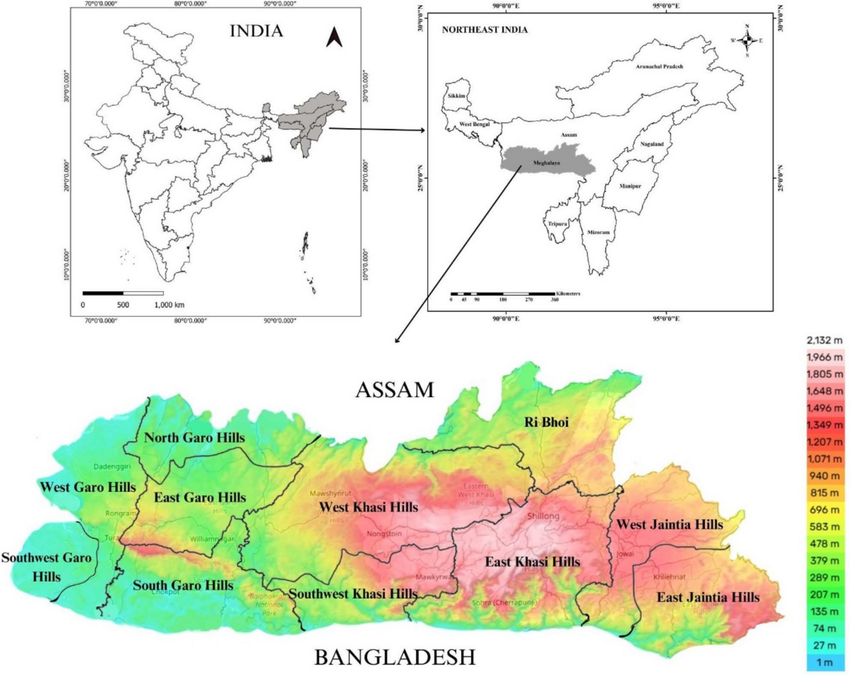
Integrating machine learning–based habitat suitability modeling with land use analysis for the conservation and rehabilitation of Elaeocarpus prunifolius in Meghalaya, India - Scientific Figure on ResearchGate. Available from: https://www.researchgate.net/figure/Map-of-India-highlighting-Northeast-India-and-Meghalaya-State_fig1_388006934 [accessed 30 Dec 2025]
This comprehensive guide covers everything you need to plan your perfect Meghalayan odyssey.
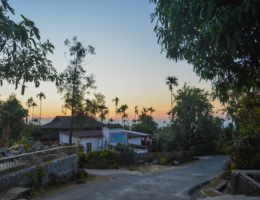
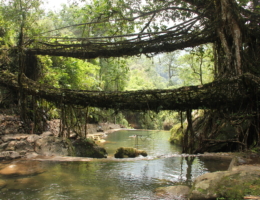
Brief History of Meghalaya
Meghalaya, meaning “the abode of clouds,” has a rich history shaped by its indigenous tribes, geography, and colonial influences. The region has been inhabited since ancient times by three major tribal communities—the Khasi, Jaintia, and Garo—each with its own distinct language, customs, and traditional governance systems.
Before British rule, the Khasi and Jaintia Hills were divided into independent chiefdoms known as Himas, ruled by local chiefs called Syiems. The Garo Hills were governed by village councils and followed strong clan-based traditions. These communities practiced agriculture, forest-based livelihoods, and maintained close ties with nature.
During the early 19th century, the British annexed the region after a series of treaties and conflicts, incorporating it into the Assam province. The British introduced modern administration, Christianity, and formal education, which had a lasting impact on the region’s social and cultural life.
After India’s independence in 1947, Meghalaya remained part of Assam. Growing demands for autonomy led to the formation of Meghalaya as an autonomous state on 21 January 1972. Today, Meghalaya stands as a unique state known for its matrilineal society, rich cultural heritage, and harmonious blend of tradition and modernity.
Main Hill Regions of Meghalaya & Places to Visit
Meghalaya can be broken down into three major hill regions — each distinct in landscape and experiences. Below, we list top destinations by region with highlights and travel tips.
🗺️ Key Destinations in Khasi Hills
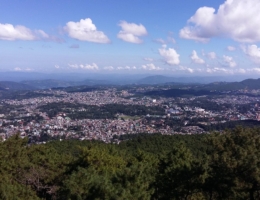
➤ Shillong — The Scotland of the East
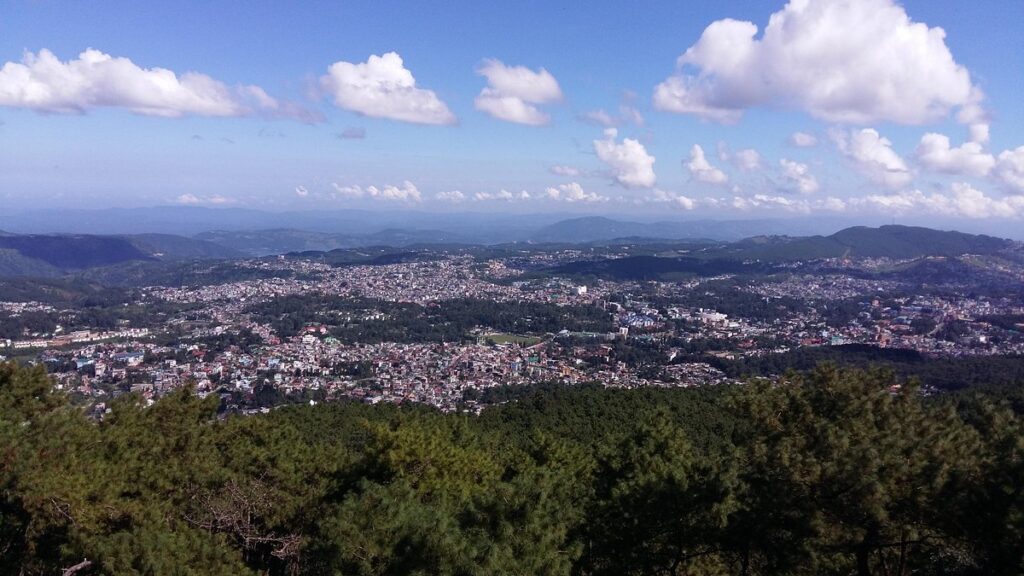
This guide covers the top tourist places in Shillong, with travel tips and photo suggestions to help you plan the perfect trip.
- Highlights: Ward’s Lake, Don Bosco Museum, Shillong Peak, Elephant Falls
- Vibe: Cool climate, lively markets, music culture
- Best For: Families, culture lovers, city + nature mix
➤ Cherrapunji (Sohra)
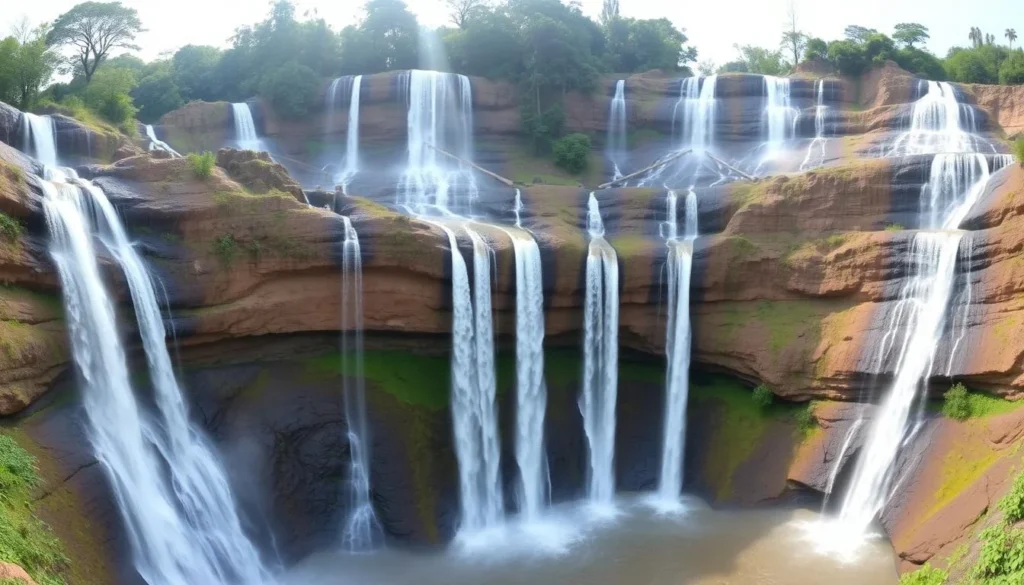
This guide covers the top tourist places in Cherrapunji (Sohra), with travel tips and photo suggestions to help you plan the perfect trip.
- Highlights: Nohsngithiang (Seven Sisters) Falls, Mawsmai & Krem Phyllut Caves
- Why Go: One of the wettest places on Earth; dramatic landscapes
- Best For: Nature lovers, photographers
➤ Mawlynnong — Cleanest Village in Asia
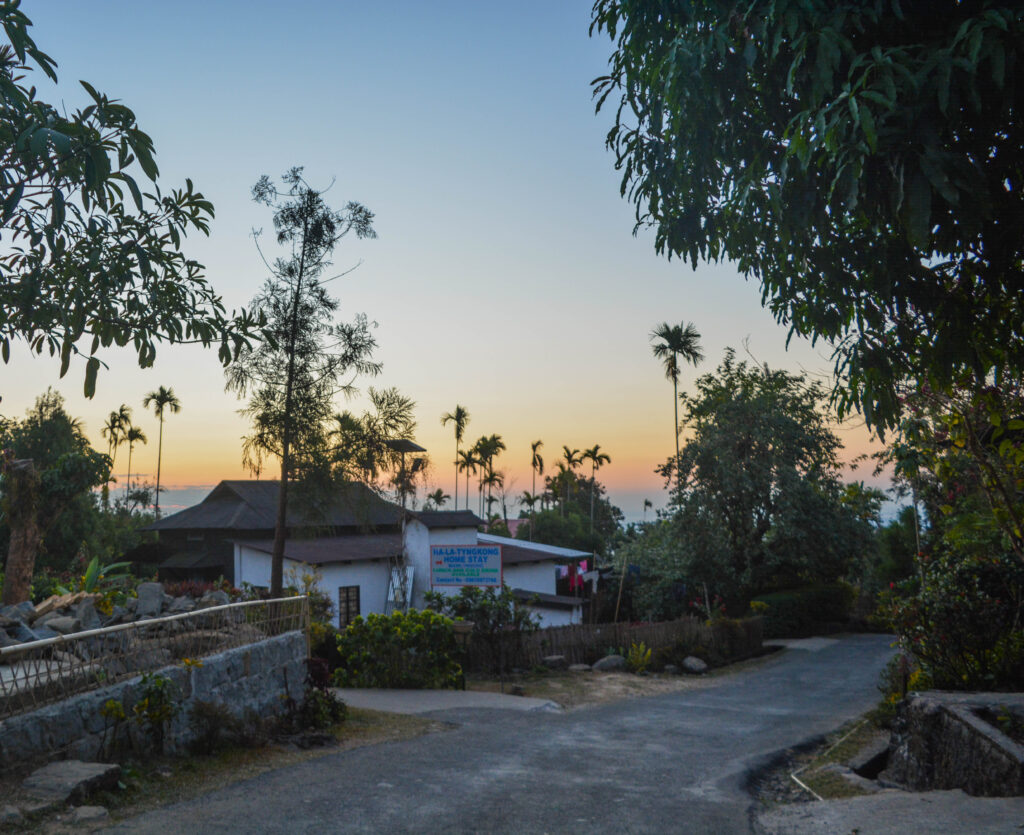
This guide explores Mawlynnong: Asia’s Cleanest Village, with travel tips and photo suggestions to help you plan the perfect trip.
- Highlights: Living Root Bridges, Sky View
- Vibe: Peaceful, eco-friendly village life
- Best For: Cultural immersion, slow travel
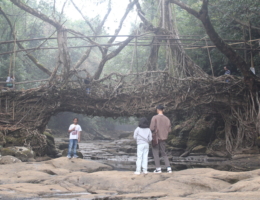
➤ Double Decker Living Root Bridge — Nongriat
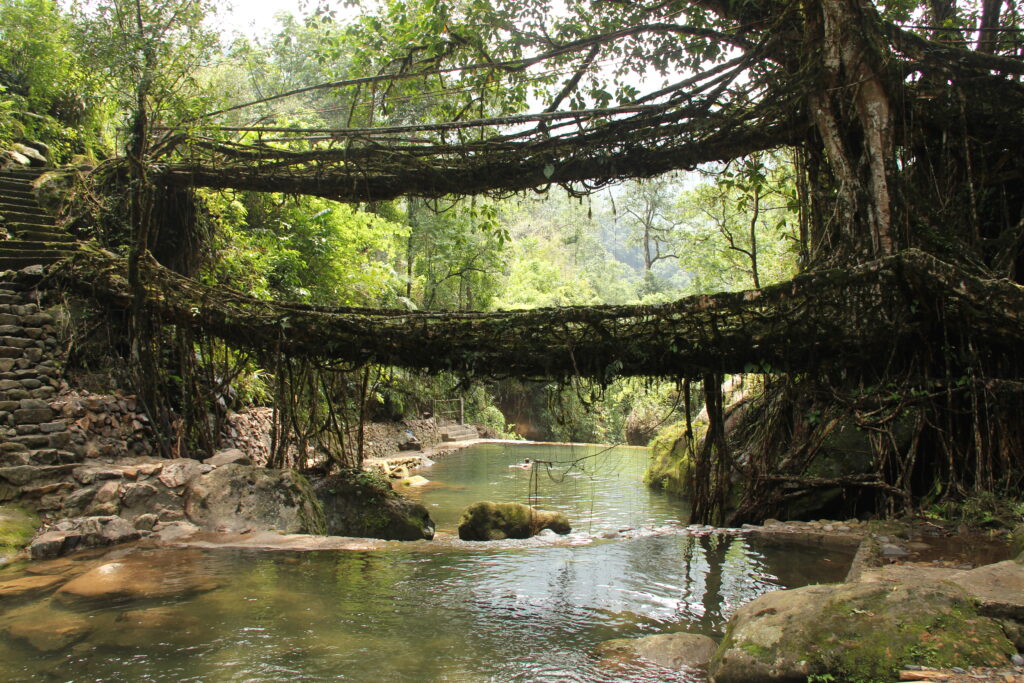
This guide explores Double Decker Living Root Bridge — Nongriat, with travel tips and photo suggestions to help you plan the perfect trip.
- Highlights: Unique bridge formation made from tree roots
- Trek: ~3-4 hours down through steps (and back up!)
- Best For: Adventure lovers
🗺️ Key Destinations in Jaintia Hills
➤ Dawki & Umngot River
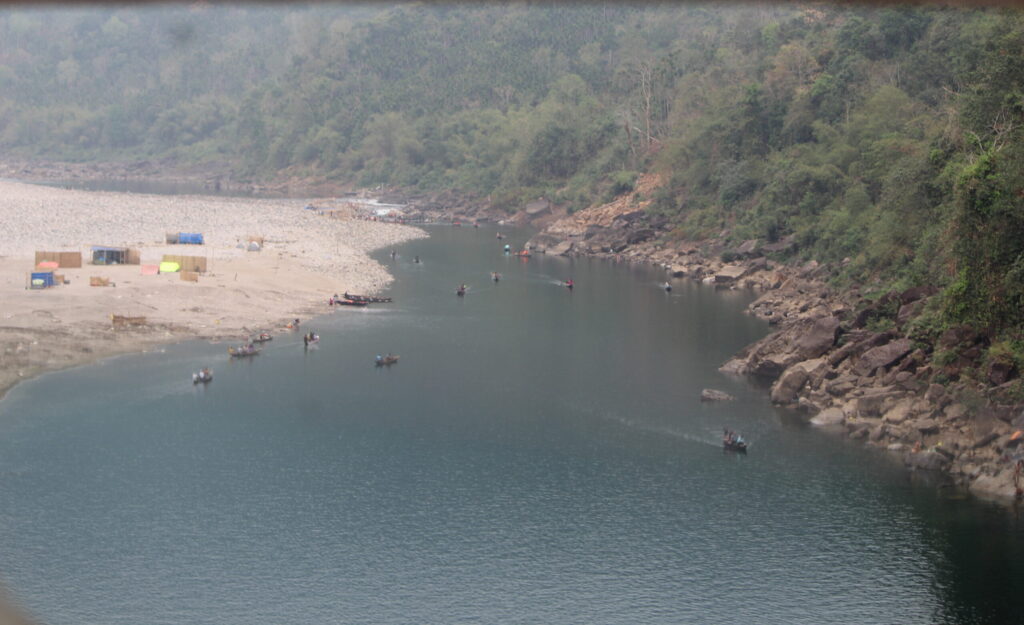
This guide explores Double Decker Living Root Bridge — Nongriat, with travel tips and photo suggestions to help you plan the perfect trip.
- Highlights: Crystal clear river, boating, border town vibes
- Best For: Water lovers, day trips
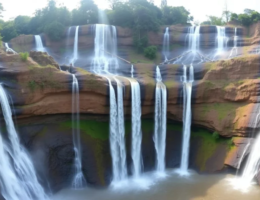
➤ Krang Suri Falls
- Best Time: Post-monsoon for high flow and emerald pools
- Activities: Swimming, cliff views
- Best For: Waterfall lovers
➤ Shnongpdeng — Adventure Hub
- Highlights: Kayaking & rafting on the Umngot River
- Vibe: Riverside camping
- Best For: Thrill seekers
➤ Nongkhnum Island
- Highlights: Second largest river island in Asia
- Best For: Picnic, river views, nature walks
🗺️ Key Destinations in Garo Hills
➤ Tura — The Western Gateway
- Highlights: Tura Peak, Visitor View Point
- Vibe: Relaxed hill town
- Best For: Hills + culture
➤ Balpakram National Park
- Highlights: Wildlife (elephants, deer), surreal landscapes
- Best For: Wildlife safaris, bird watching
➤ Siju Caves
- One of the longest cave systems in India
- Activities: Cave exploration (with guide)
🧭 Suggested Tourist Route (Text Map)
Here’s a logical travel plan combining beauty, convenience, and adventure:
📍 Route A — Classic Meghalaya (10 days)
- Arrive Guwahati → Shillong
- Explore Shillong city
- Shillong → Cherrapunji
- Waterfalls, caves, viewpoints
- Cherrapunji → Mawlynnong → Double Decker Living Root Bridge
- Village life + legendary bridge trek
- Mawlynnong → Dawki → Umngot River
- Clear water boating
- Return to Shillong
- Rest & local markets
📍 Route B — Adventure + Eastern Hills (12 days)
- Shillong → Shnongpdeng
- Kayaking / rafting
- Shnongpdeng → Krang Suri Falls
- Cool plunges, chilli snacks 🙂
- Krang Suri → Nongkhnum Island
- Return via Dawki
- Sunset river views
📍 Route C — Garo Hills Expedition (7–10 days)
- Shillong → Tura
- Tura → Balpakram National Park
- Wildlife + forest trails
- Tura → Siju Caves
- Back to Shillong
📅 Best Time to Visit Meghalaya
- October to April — Ideal for weather, sightseeing & trekking
- June to September — Monsoon brings magical waterfalls but heavy rains
🛵 Travel Tips
- Transport: Shared taxis, self-drive, and hired SUVs are common
- Permits: Some areas may require restricted area permits for non-residents
- Accommodation: Shillong and Cherrapunji have a range of stays — homestays are recommended for authentic experiences
- Connectivity: Mobile signal may be weak in remote areas — plan offline maps