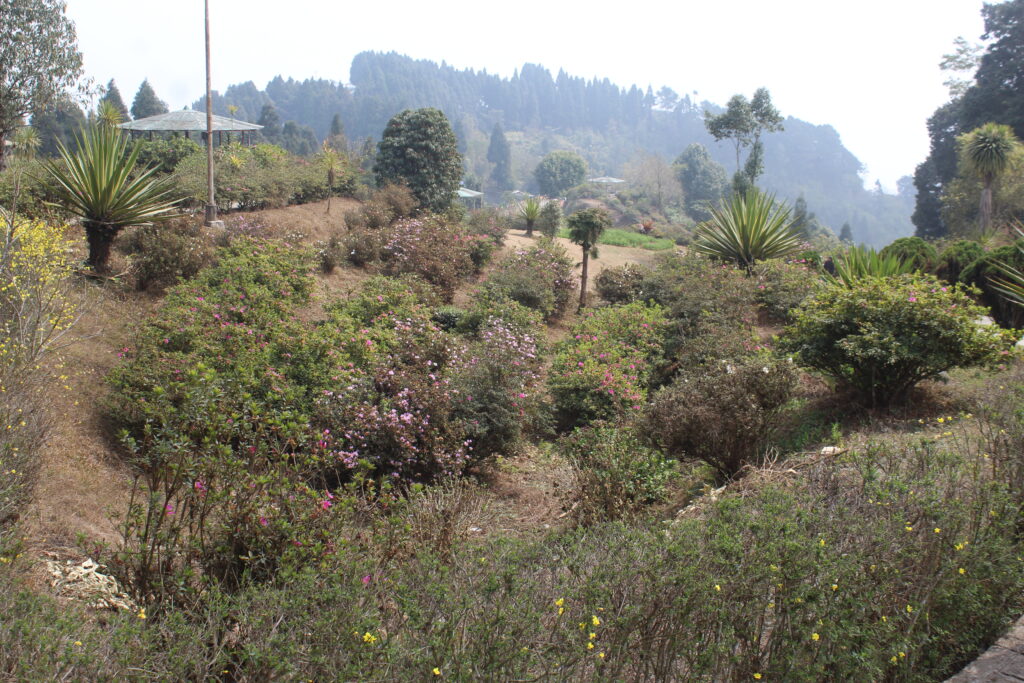
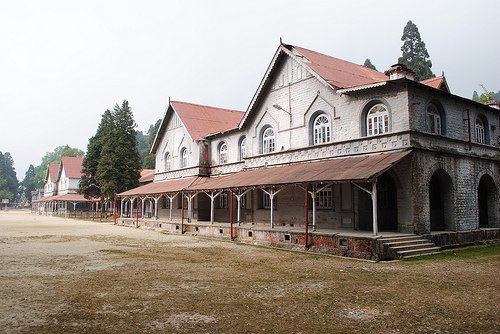
Step into the world of Victorian heritage at Victoria Boys’ School, Kurseong. While its sister school, Dow Hill, is famous for its misty girls’ campus, Victoria Boys’ stands as a sentinel of colonial history and academic prestige. Known for its Gothic stone architecture and sprawling grounds, it is a landmark that defines the skyline of the Dow Hill forest.
If you’re planning a trip to Kurseong, here is everything you need to know about this iconic institution.
A Glimpse into History: The Legacy of Victoria Boys’
Victoria Boys’ School isn’t just an educational institution; it is a piece of living history.
- The Origin: Established in 1879 by Sir Ashley Eden, it was originally part of a co-educational setup at a house called ‘Constantia’.
- The Split: As the student body grew, the boys were moved to their current location in 1888, roughly 1 km away from the girls’ campus.
- The Name: It was renamed “Victoria Boys’ School” to commemorate the Diamond Jubilee of Queen Victoria in 1897.
- Architecture: The school features magnificent Victorian-style buildings made of stone and timber, designed to withstand the heavy monsoon rains and chilly winters of the Himalayas.
The Campus: Beyond the Classroom
The school is renowned for having some of the best facilities in the hills, set against the backdrop of towering pine trees.
- The Playing Fields: Victoria Boys’ School boasts the largest flat playground in Kurseong. Seeing students play football or cricket here, surrounded by clouds, is a sight to behold.
- St. Angeles Church: Right at the entrance sits a quaint, historic chapel. Its stone walls and serene atmosphere offer a perfect example of British-era ecclesiastical architecture.
- The View: On clear days, the school offers an unobstructed view of the Teesta Valley and the plains of North Bengal stretching out below.
The Spooky Side: Is Victoria Boys’ Haunted?
You cannot talk about Victoria Boys’ School without mentioning its “haunted” reputation. It frequently appears on lists of India’s most paranormal locations.
- The Silent Corridors: Locals and night guards claim to hear the sound of boys running and laughing through the hallways during the winter vacations (December to March) when the school is completely empty.
- The Shadowy Figure: Some stories tell of a ghostly boy seen standing by the windows, peering out at the forest.
- The “Death Road” Connection: The school is located right on the edge of the forest that leads to the infamous “Death Road,” where the legendary headless boy is said to wander.
Visitor Information & Best Time to Visit
| Detail | Info for Travelers |
| Location | Dow Hill, Kurseong (approx. 4 km from the railway station). |
| Entry Policy | Restricted. Tourists are generally allowed to view the architecture and church from the gate; entering the school buildings requires permission. |
| Best Time | October to December for the best photography and mountain views. |
| How to Reach | Hired taxis are the best option due to the steep, winding roads. |
Quick Travel Checklist
- Photography: Bring a wide-angle lens to capture the full scale of the stone buildings.
- Weather: Even if it’s sunny in Siliguri, Kurseong can be 10°C colder. Carry a light jacket.
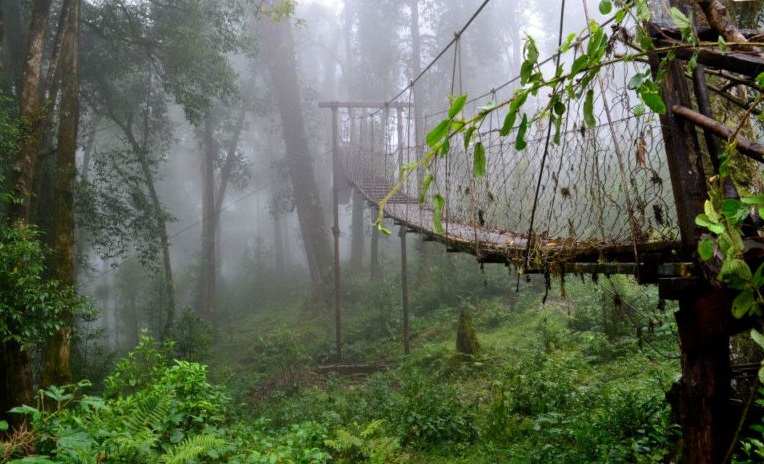
- Walk the Trail: If you are fit, try the walk from Kurseong town to Dow Hill. The path through the forest is hauntingly beautiful (and great for birdwatching!).