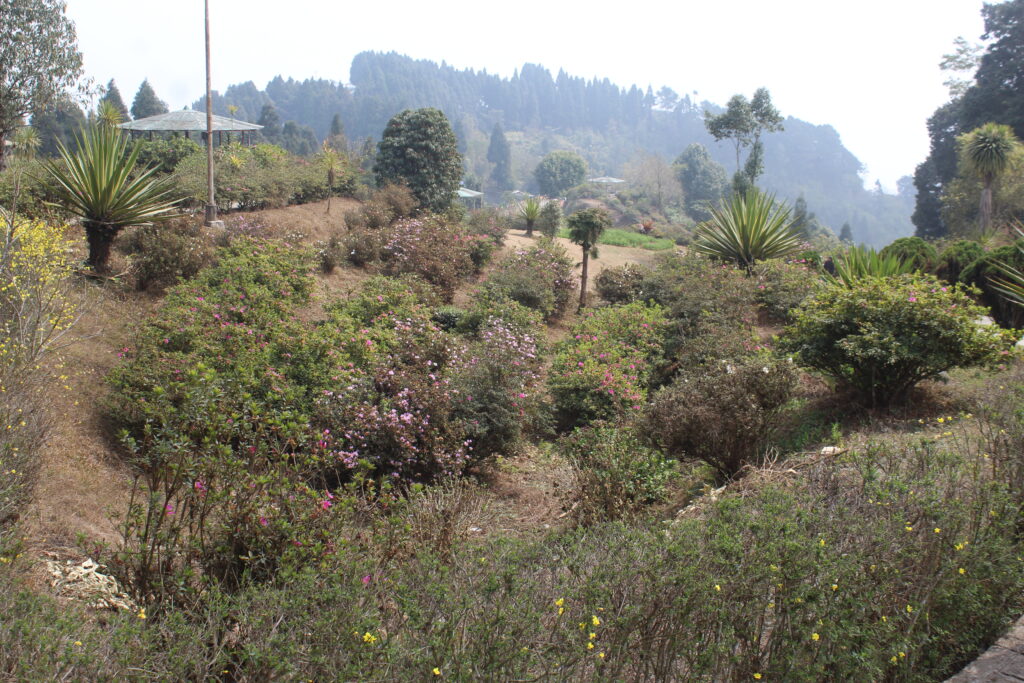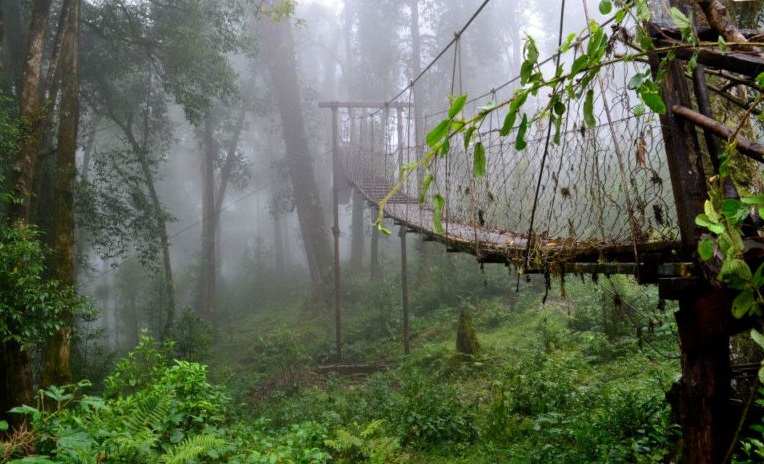
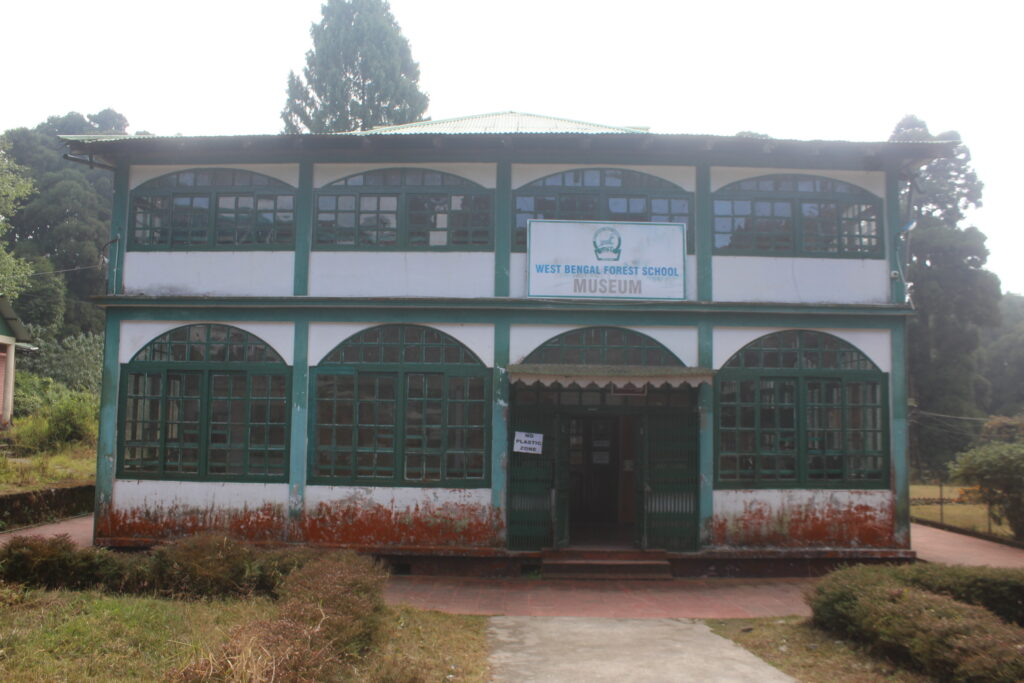
Nestled in the misty hills of Kurseong, the Forest Museum is a quiet yet fascinating destination that showcases the rich biodiversity and forest legacy of the Eastern Himalayas. Often overlooked by mainstream tourists, this small museum offers an insightful glimpse into the region’s flora, fauna, and forest conservation efforts. For nature lovers, students, and offbeat travelers, the Forest Museum in Kurseong is a hidden gem worth discovering.
Location and Accessibility
The Forest Museum, Kurseong is located within the Forest Department complex near Dow Hill, one of Kurseong’s most famous hill areas. It lies close to Dow Hill Eco Park and can easily be reached from Kurseong town by taxi or on foot if you enjoy scenic walks. The surrounding pine and deodar forests add to the museum’s calm and educational atmosphere.
History and Purpose of the Forest Museum
Established by the West Bengal Forest Department, the Forest Museum was created to spread awareness about forest resources, wildlife protection, and sustainable use of nature. It serves as an educational center where visitors can learn about the ecological significance of Himalayan forests and the importance of conservation in a fragile hill ecosystem like Kurseong.
What to See Inside the Forest Museum
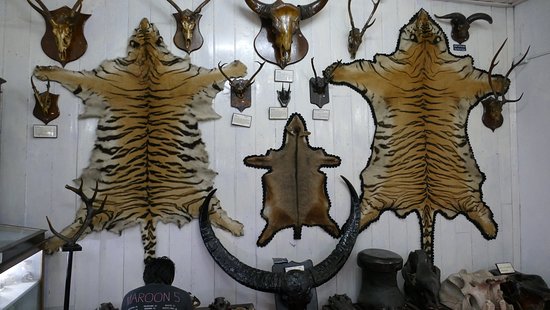
Despite its modest size, the museum houses an impressive collection of exhibits:
- Preserved specimens of Himalayan wildlife, including birds and small mammals
- Wood samples of various forest trees, highlighting their texture, grain, and uses
- Herbs and medicinal plants found in the Darjeeling–Kurseong region
- Charts and models explaining forest ecology and biodiversity
Each display is clearly labeled, making the museum especially useful for students and educational tours.
Educational and Environmental Value
The Forest Museum plays an important role in promoting environmental awareness. It helps visitors understand how forests support local livelihoods, regulate climate, and protect soil in hilly terrains. Schools and colleges often include the museum in their study trips, as it offers real-world learning beyond textbooks.
Best Time to Visit
The museum can be visited throughout the year, but the best time to visit Forest Museum, Kurseong is between March to June and September to November. During these months, the weather is pleasant, and the surrounding forest looks lush and vibrant. Mornings are ideal for a peaceful visit.
Nearby Attractions
A visit to the Forest Museum can be easily combined with other nearby attractions:
- Dow Hill Eco Park – A serene forest park ideal for short walks
- Dow Hill School – Known for its colonial history
- Eagle’s Crag Viewpoint – Offers stunning views of the Teesta valley
- Kurseong Town – Famous for tea gardens and local markets
Why You Should Visit Forest Museum, Kurseong
If you enjoy quiet, informative places away from crowded tourist spots, the Forest Museum is perfect for you. It offers a meaningful experience that blends nature, education, and heritage. Visiting the museum also encourages responsible tourism and respect for the region’s natural wealth.
Travel Tips
- Entry fees are usually minimal or free
- Photography may be restricted inside—check before clicking pictures
- Combine your visit with a walk in Dow Hill forest for a fuller experience
- Ideal for families, students, and eco-tourists
Final Thoughts
The Forest Museum, Kurseong may not be flashy, but it holds deep educational and ecological value. It stands as a reminder of the Himalayan region’s rich forest heritage and the need to protect it for future generations. On your next trip to Kurseong, take a break from viewpoints and tea gardens and spend some time exploring this informative and peaceful museum.