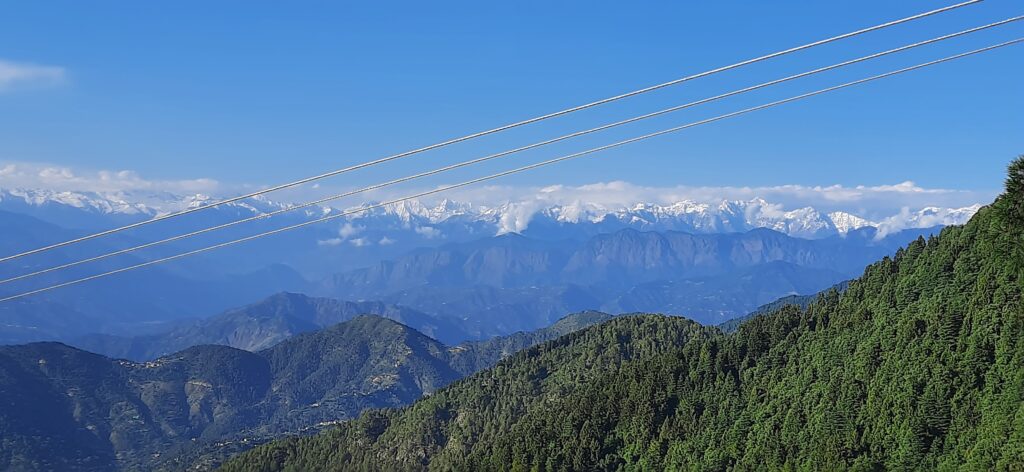
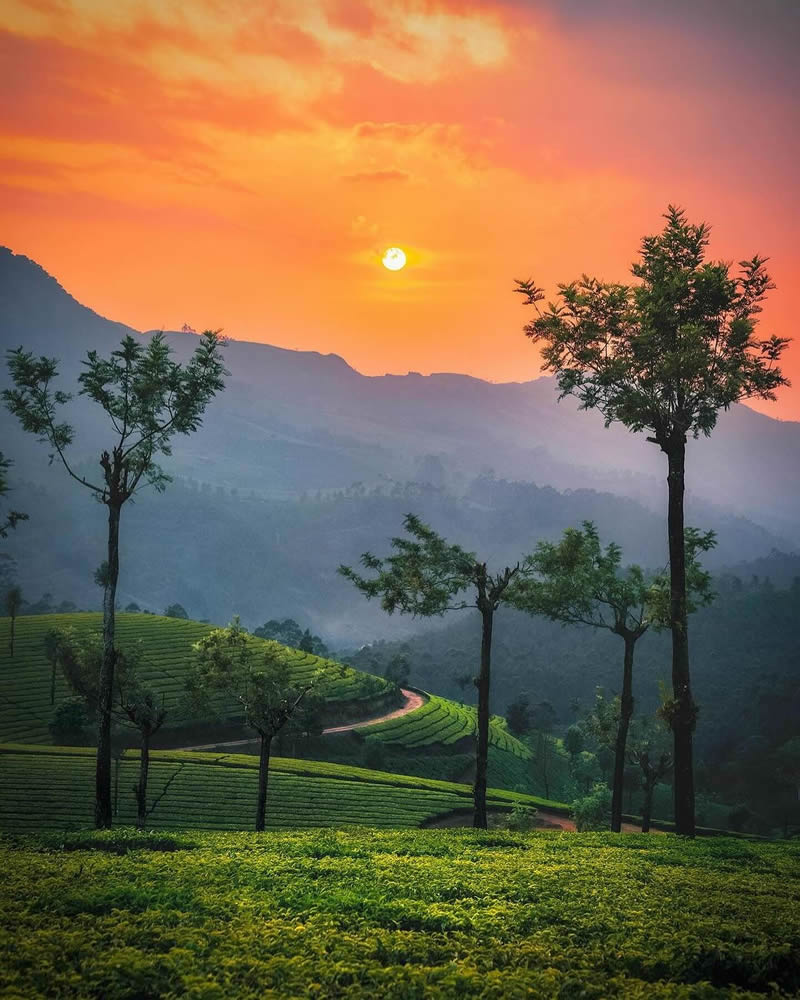
India is a land of extraordinary contrasts and unmatched diversity. Travelling across India is not merely a journey from one place to another; it is an exploration of cultures, landscapes, languages, cuisines, and centuries of history. From the snow-covered Himalayas in the north to the palm-lined beaches of the south, from desert kingdoms in the west to lush forests and tea gardens in the east, India offers experiences that few countries in the world can match.
This comprehensive guide is designed to help travellers plan, understand, and enjoy travel across India with confidence and clarity.
Best Time to Travel in India
India’s vast size means that climate varies greatly by region.
- October to March is the best overall season for most parts of India, especially North, West, and Central India.
- April to June is ideal for visiting hill stations such as Shimla, Darjeeling, Ooty, and Ladakh.
- July to September brings the monsoon, which enhances the beauty of regions like Kerala, the Western Ghats, and Northeast India, though travel disruptions may occur.
Choosing the right season can significantly improve the travel experience.
Major Travel Regions of India
North India
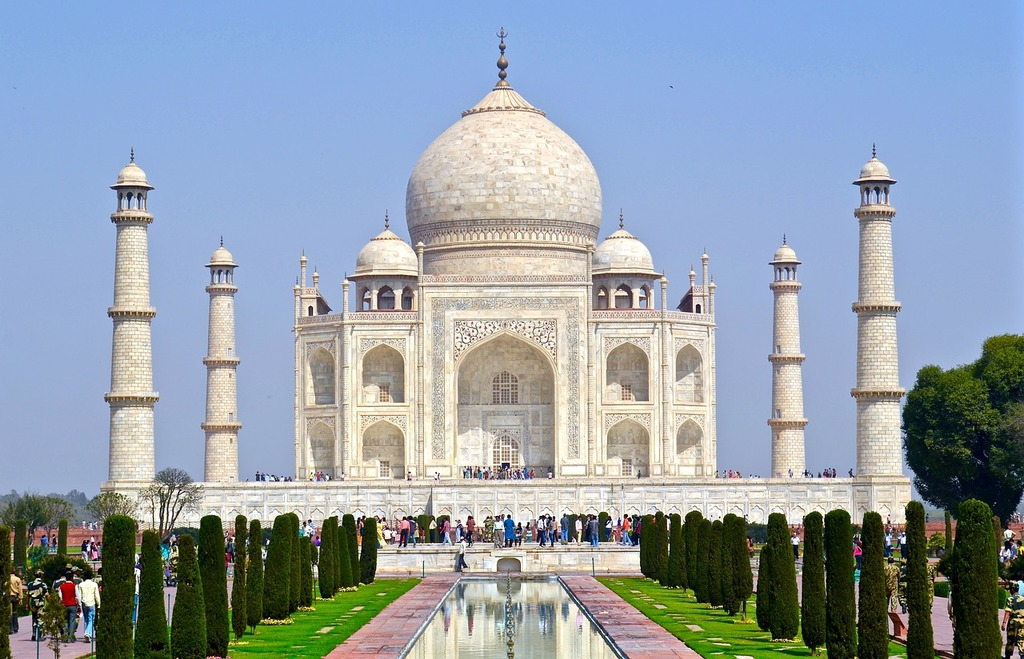
The majestic Taj Mahal at sunrise — one of India’s most iconic landmarks
North India is known for its mountains, historic cities, and spiritual centres. The region includes iconic destinations such as Delhi, Agra, Jaipur, Varanasi, Amritsar, Kashmir, Himachal Pradesh, and Uttarakhand. Travellers can explore Mughal monuments, ancient temples, and the majestic Himalayas.
South India
South India offers a harmonious blend of tradition and nature. States like Kerala, Tamil Nadu, Karnataka, Andhra Pradesh, and Telangana are famous for their temples, beaches, backwaters, and hill stations. The region is also known for its classical music, dance, and distinct cuisine.
East India
East India is rich in natural beauty and cultural depth. West Bengal, Sikkim, Odisha, Assam, and other northeastern states feature tea gardens, wildlife sanctuaries, colonial towns, and tribal traditions. This region is ideal for travellers seeking offbeat destinations and serene landscapes.
West India
West India combines vibrant cities, desert landscapes, and long coastlines. Rajasthan and Gujarat showcase royal forts and palaces, while Maharashtra and Goa offer beaches, urban culture, and nightlife. Festivals and architecture are major highlights here.
Central India
Central India, comprising states like Madhya Pradesh and Chhattisgarh, is known for wildlife reserves, ancient temples, and archaeological sites. It is the heartland of India’s forested landscapes and tribal heritage.
Transportation Across India
India has one of the most extensive transportation networks in the world.
- Railways: Indian Railways connects almost every corner of the country and is economical and efficient for long-distance travel.
- Road Travel: National highways, buses, and taxis make road journeys convenient, especially for short distances.
- Air Travel: Domestic flights connect major cities and tourist destinations, saving time on long routes.
- Local Transport: Auto-rickshaws, metro systems, cycle rickshaws, and app-based taxis are widely available.
Accommodation Options
India offers accommodation for every budget and travel style.
- Budget travellers can choose hostels, guesthouses, and homestays.
- Mid-range travellers have access to comfortable hotels and boutique stays.
- Luxury travellers can enjoy heritage palaces, resorts, and five-star hotels.
Homestays provide an excellent opportunity to experience local life and culture.
Food and Culinary Diversity
Indian cuisine varies significantly from region to region. North Indian food is rich and flavourful, while South Indian cuisine is lighter and rice-based. Eastern India is known for fish dishes and sweets, and Western India offers a mix of vegetarian and coastal flavours.
Street food is an integral part of Indian travel, but it is advisable to eat at clean and popular places.
Cultural Etiquette and Safety
Respect for local customs is essential while travelling in India.
- Dress modestly, especially at religious sites.
- Remove footwear before entering temples and homes.
- Be mindful of local traditions and social norms.
- Keep copies of important documents and stay aware of surroundings.
India is generally safe for travellers, especially when basic precautions are followed.
Budget Planning for Travel in India
India is suitable for budget, mid-range, and luxury travellers.
- Budget travel can cost approximately ₹1,000–2,000 per day.
- Mid-range travel may cost ₹2,500–5,000 per day.
- Luxury travel can exceed ₹8,000 per day.
Costs depend on location, season, and personal travel preferences.
Festivals and Unique Experiences
India’s festivals add colour and meaning to travel experiences. Celebrations like Diwali, Holi, Durga Puja, Onam, and Pongal showcase the country’s cultural richness. Travellers can also enjoy yoga retreats, wildlife safaris, trekking, desert camping, and heritage walks.
Responsible and Sustainable Travel
Responsible travel helps preserve India’s natural and cultural heritage.
- Reduce plastic use and waste.
- Support local businesses and artisans.
- Respect wildlife and natural habitats.
- Travel slowly and consciously.
Conclusion
Travelling all over India is a journey through diversity, history, and human experience. With careful planning, cultural sensitivity, and an open mind, India offers unforgettable memories and deep personal enrichment. Whether you travel for adventure, spirituality, culture, or relaxation, India welcomes every traveller with countless stories waiting to be discovered.